Analysis
AI and Jobs: Which Tasks Are Changing, and How
The evidence so far suggests AI changes tasks faster than it eliminates whole jobs, but the effects are uneven, and early-career workers may feel them first.
Deep dives into where artificial intelligence is heading and what it means for people, products and companies.

The evidence so far suggests AI changes tasks faster than it eliminates whole jobs, but the effects are uneven, and early-career workers may feel them first.

Agents that finish tasks, models small enough for your phone, and the first real compliance deadlines. Here is what is shaping AI in 2026, and what it means for you.

After the initial panic over chatbots and homework, schools are moving from bans toward guidance. Here is what is working, what is not and what remains unresolved.

Agents were the big story going into 2026. Here is a practical assessment of the kinds of tasks where they earn their keep, and the ones where supervision is still essential.

Criminals are using AI to clone voices, fake video calls and write flawless phishing messages. Simple habits still defeat most of these schemes.
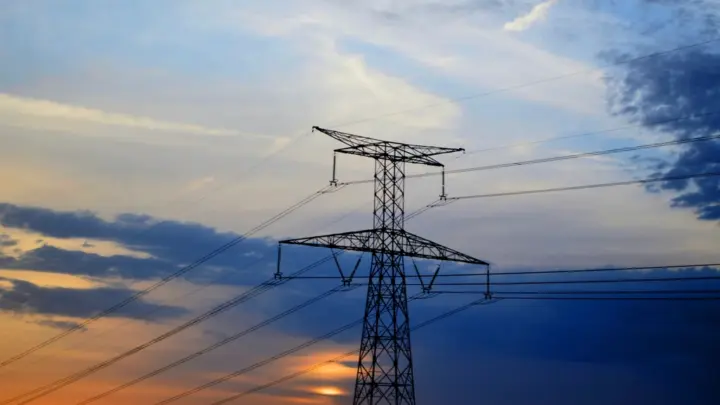
AI's electricity demand has become a major business and policy story. The numbers are real but often misquoted. Here is a clear-eyed look at what is known.

AI is already reading scans, writing clinical notes and helping patients understand their health. It is also far from a replacement for doctors. Here is a balanced look.