Research
Reasoning Models Explained: Why Some AI Thinks Before It Answers
Many AI models can now spend extra time working through a problem before replying. Here is how reasoning models work, when they help and when they are overkill.
Plain-English explainers on the research and technology behind modern AI.

Many AI models can now spend extra time working through a problem before replying. Here is how reasoning models work, when they help and when they are overkill.

Alignment research asks how to make AI systems reliably do what people intend, and avoid what they do not. Here is an accessible guide to the field.

Today's leading AI models work with images, audio, video and documents, not just text. Here is what "multimodal" means and why it matters.
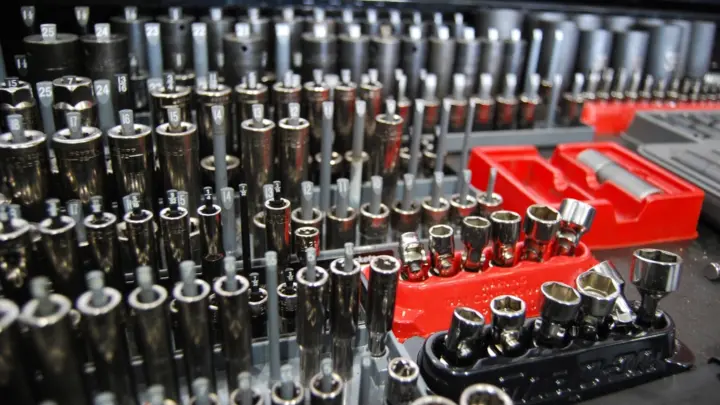
There are three main ways to make a general AI model work for your specific needs. Choosing the right one saves a lot of time and money.

Two technical terms explain a lot about how AI assistants behave: why they forget, why long documents cost more and why usage limits exist.
An AI agent is a model that can plan steps and use tools to complete a goal, not just answer a question. Here is what happens under the hood and why supervision still matters.

RAG is the technique that lets an AI assistant answer from your own documents instead of its memory. It is behind most company chatbots and "chat with your files" features.

Type a sentence, get a picture. Behind that trick is a process that starts with pure noise and gradually shapes it into an image. Here is how it works.

The technology behind ChatGPT, Claude and Gemini, explained without jargon: how these models learn, why they sound so fluent, and where their limits come from.