AI Regulation in the United States: How the Rules Are Taking Shape
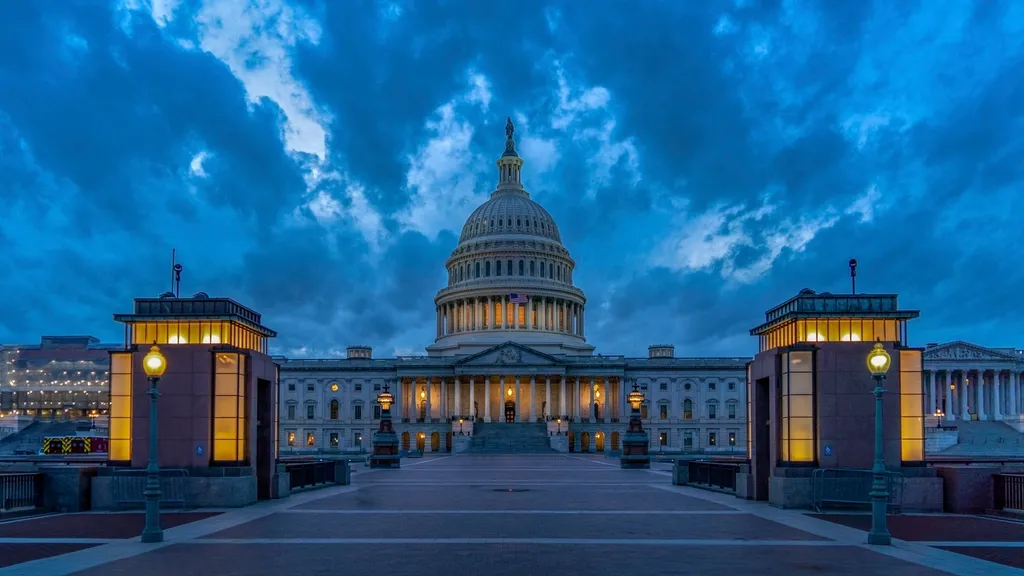
The US has no single AI law. Instead, rules come from existing agencies, executive orders and a fast-growing patchwork of state laws. Here is how the pieces fit together.
Regulation, safety, privacy and the social questions raised by AI, from the EU AI Act and copyright to bias, deepfakes and kids online.

The US has no single AI law. Instead, rules come from existing agencies, executive orders and a fast-growing patchwork of state laws. Here is how the pieces fit together.

When AI helps decide who gets a loan, a job interview or medical attention, people deserve to know why. Here is what explainable AI means, how it works and where it falls short.

AI-generated video, audio and images are now convincing enough to fool most people at a glance. Visual tells are fading, so better habits matter more than sharper eyes.

AI systems can treat people unfairly without anyone intending it. Understanding where bias enters is the first step to catching it.

Children and teens are using AI for homework, creativity and conversation. Here is how to help them use it safely, honestly and in a way that supports their learning.

Europe's AI law sorts systems by risk and phases in obligations over several years. Here is how it works, who it affects and what to do now.

Can AI companies train on copyrighted work? Who owns what AI creates? Courts and lawmakers are still answering. Here is a clear map of the debate.